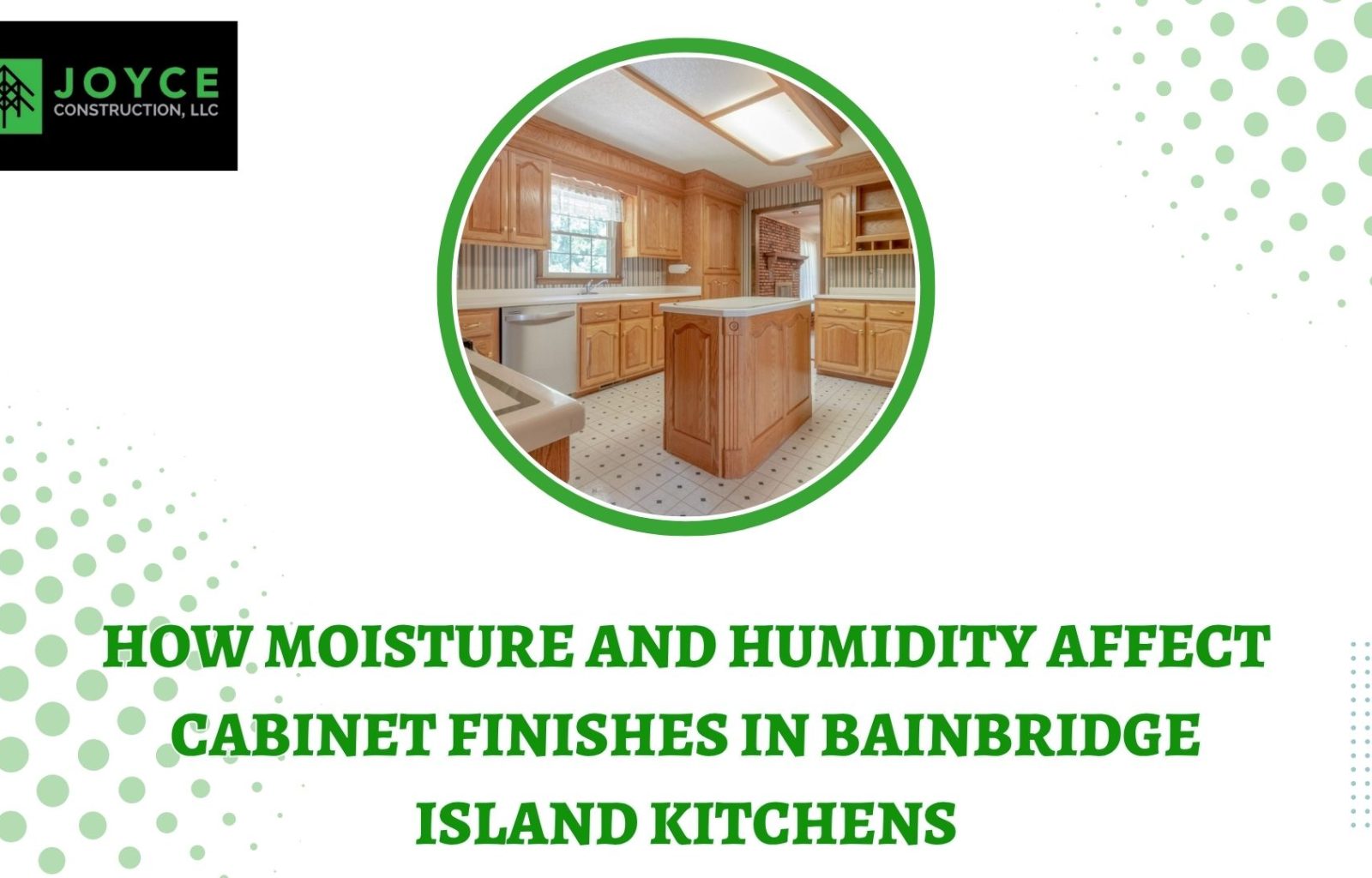
Cabinets are a vital element in your kitchen, but their durability can be significantly impacted by the high moisture and humidity levels typical of Bainbridge Island. Understanding how these environmental factors can cause swelling, warping, and damage to the finish is vital for maintaining the beauty and functionality of your cabinetry. By taking proactive measures to control humidity and choosing appropriate finishes, you can protect your investment and ensure your cabinets remain in top condition for years to come.
Key Takeaways:
- High humidity can lead to swelling and warping of cabinet materials, impacting the finish quality.
- Moisture can cause paint and finishes to peel or bubble, reducing durability and aesthetics.
- Proper ventilation and humidity control in kitchens help maintain the integrity of cabinet finishes over time.
Understanding Moisture and Humidity
Moisture and humidity are two critical factors that directly influence the integrity of cabinet finishes in your Bainbridge Island kitchen. High levels of moisture can lead to deterioration, while low humidity can cause cracking. Your kitchen’s environment plays a significant role in how finishes perform and hold up over time.
Definitions and Differences
Moisture refers to the amount of water present in the air or materials, while humidity is the measure of water vapor in the atmosphere. You can quantify humidity as relative humidity (RH), represented as a percentage. For example, 100% RH indicates fully saturated air, which can exacerbate issues with your cabinet finishes, leading to peeling or bubbling.
Local Climate Considerations
Bainbridge Island experiences a maritime climate, characterized by mild, wet winters and cool, dry summers. This unique weather pattern impacts your kitchen significantly, as the higher humidity during fall and winter can warp wooden cabinets and alter the appearance of painted finishes.
Understanding your local climate is vital for maintaining cabinet finishes. With average annual humidity levels between 75-85%, your cabinets are susceptible to moisture damage if not properly sealed. Coastal regions experience higher humidity, especially during winter storms, increasing the risk of mildew and mold growth. You can mitigate these risks by using high-quality finishes designed to withstand moisture and ensuring proper ventilation in your kitchen to maintain a stable environment.
Cabinet Finishes: An Overview
Understanding cabinet finishes is imperative for maintaining the beauty and durability of your kitchen cabinetry. These finishes not only enhance aesthetics but also influence how your cabinets respond to moisture and humidity, factors critical in Bainbridge Island’s climate. Selecting the right finish ensures your cabinets withstand wear while retaining their visual appeal over time.
Types of Cabinet Finishes
There are several types of cabinet finishes available, each with its unique characteristics and benefits. Your choice will significantly affect durability, appearance, and maintenance. Here’s a breakdown of some common options:
- Paint
- Stain
- Varnish
- Polyurethane
- Lacquer
Knowing the differences among these options allows you to make informed decisions based on your kitchen’s specific needs.
| Finish Type | Advantages |
| Paint | Versatile, available in various colors, great for hiding imperfections. |
| Stain | Enhances wood grain, easy to apply and repair. |
| Varnish | Durable, resistant to water and heat. |
| Polyurethane | High durability, ideal for areas with high moisture. |
| Lacquer | Smooth finish, quick drying, easy to maintain. |
Properties of Different Finishes
Each cabinet finish offers distinct properties that impact longevity and appearance. For instance, paint provides a wide range of color options, allowing customization to fit any décor. Stains enhance the natural beauty of the wood, while varnishes and polyurethanes create robust, water-resistant barriers. Lacquer dries quickly and results in a sleek finish, making it a favorite among many homeowners.
The choice of finish can significantly influence the durability and aesthetics of your kitchen cabinets. For example, while paint can chip or fade over time, high-quality polyurethane offers superior protection against moisture and wear. Selecting a finish that aligns with the conditions and demands of your environment, particularly in a humid area like Bainbridge Island, ensures your cabinetry remains stunning and functional for years to come.
Effects of Moisture on Cabinet Finishes
Moisture in the air can profoundly affect your cabinet finishes. High humidity levels can lead to an array of issues, from surface distortion to the degradation of protective layers. In Bainbridge Island kitchens, where damp conditions are common, understanding these effects allows you to take preventive measures and maintain your cabinetry’s aesthetics and functionality.
Swelling and Warping
Cabinets made from wood or composite materials are particularly susceptible to swelling and warping under high moisture conditions. As moisture seeps into the fibers, they expand, which can create gaps and misalignment in cabinet doors and drawers. This not only disrupts the visual appeal but can also affect the overall integrity of your cabinetry.
Paint and Stain Performance
Moisture significantly influences the performance of paint and stain finishes on your cabinetry. High humidity can lead to poor adhesion, causing peeling, bubbling, or blistering of paint. Stains may also become less vibrant or unevenly absorbed into the wood, leading to an unprofessional appearance. Protective topcoats can fail prematurely, leaving your cabinetry vulnerable to further damage.
When moisture levels fluctuate, paint and stain integrity is compromised, notably impacting the long-term upkeep of your cabinets. For instance, if you applied a water-based finish in a humid environment, it might not cure properly, leading to a soft or tacky texture that allows moisture to penetrate further. Additionally, stains that don’t penetrate evenly can leave your cabinets looking patchy and unattractive, so selecting the right finish for your kitchen’s humidity level is key to preserving their charm.
Humidity’s Impact on Cabinet Durability
Extended exposure to high humidity can significantly compromise cabinet durability. You might notice finishes beginning to bubble, crack, or peel as moisture seeps into the wood. This deterioration not only affects appearances but also weakens the structural integrity, leading to more extensive repairs or replacement. Investing in quality finishes and materials resistant to humidity can mitigate these effects and prolong the lifespan of your cabinetry.
Long-term Wear and Tear
Cabinets subjected to humid conditions endure more rapid wear and tear, which diminishes their functionality. Over time, the constant expansion and contraction from moisture fluctuations can warp the wood, making doors misalign or becoming difficult to open. You may find yourself needing to replace components or even entire cabinets sooner than expected.
Maintenance Challenges
Managing humidity in your kitchen presents unique maintenance challenges for your cabinetry. You may find yourself frequently adjusting or refinishing surfaces to combat deterioration. Regular inspections become imperative to identify problems early, while proactive measures such as using dehumidifiers can help maintain an optimal environment.
These maintenance challenges can become time-consuming and costly. Frequent checks for signs of moisture damage, such as soft spots or discoloration, require your attention. Applying protective coatings or regularly polishing surfaces may offer some defense, but these tasks demand ongoing commitment. Incorporating moisture controls, such as proper ventilation and humidity monitors, helps you stay ahead of potential damage, ultimately saving you from more extensive repairs down the line.
Preventative Measures
Implementing effective preventative measures can significantly prolong the life of your cabinet finishes. Start by ensuring your kitchen is well-ventilated, as proper airflow helps maintain stable humidity levels. Regularly inspect your cabinets for signs of moisture damage and address any leaks or spills immediately. Consider utilizing moisture-absorbing products or dehumidifiers to control excess humidity, especially during the wetter seasons.
Choosing the Right Finishes
Selecting finishes specifically designed for high-humidity environments can greatly reduce potential issues. Look for products labeled as moisture-resistant or waterproof. Polyurethane and water-based finishes are ideal options, offering stronger resistance to moisture-related damage. Additionally, choosing a satin or semi-gloss finish can provide a more durable surface compared to flat finishes.
Climate-Control Solutions
Incorporating climate-control solutions into your kitchen can mitigate humidity-related challenges. Invest in a dehumidifier to help maintain optimal humidity levels, ideally between 30-50%. Air conditioning systems also play a role in controlling humidity, while ensuring that your kitchen windows are fitted with insulated glass can further prevent moisture infiltration.
A dedicated dehumidifier can remove up to 50 pints of moisture per day, effectively keeping your kitchen dry and preserving cabinet finishes. Additionally, programmable thermostats allow you to monitor and adjust heating and cooling systems according to the season, helping to maintain consistent humidity levels. Regular maintenance of HVAC systems ensures optimal performance, allowing for improved air quality and moisture control throughout the space.
Best Practices for Bainbridge Island Kitchens
To safeguard your cabinet finishes in Bainbridge Island, adopt practices that accommodate the region’s unique climate. Opt for high-quality finishes, such as marine-grade varnishes, that offer superior protection against moisture. Regularly conduct humidity assessments in your kitchen to monitor levels, and consider installing a dehumidifier if readings exceed comfortable ranges. Frequently check for signs of damage or wear, allowing for timely touch-ups to maintain aesthetics and durability.
Local Recommendations
Several local suppliers in Bainbridge Island specialize in moisture-resistant finishes tailored for coastal environments. Products like Penofin Marine Oil and ZAR Ultra Max provide excellent water-repellent characteristics, while remaining eco-friendly. Engaging with local contractors familiar with Bainbridge Island’s climate can further enhance your project, offering expert advice and custom solutions to suit your specific kitchen needs.
Expert Insights
Consulting with professionals who understand the complexities of Bainbridge Island’s humidity can provide valuable guidance. Experts often emphasize the significance of ventilation in minimizing moisture accumulation. Installing exhaust fans during cooking and utilizing open shelving can greatly influence air circulation, helping to extend the life of your cabinet finishes.
Experts in the field recommend staying ahead of humidity challenges by ensuring that your kitchen has adequate airflow. They suggest regularly using kitchen exhaust fans while cooking and incorporating exhaust systems specifically designed for high-moisture areas. Additionally, they highlight the use of silica gel packets in cabinets as a simple yet effective method for moisture absorption. This proactive approach not only prevents mold growth but also extends the lifespan of your cabinets significantly. Adopting these strategies fosters a kitchen environment that preserves your finishes, even in the most humid conditions.
Conclusion
In Bainbridge Island’s humid, coastal climate, your kitchen cabinets face constant exposure to moisture — a silent threat that can cause swelling, warping, and finish deterioration over time. This article breaks down how moisture and humidity impact cabinet materials and finishes, from paint to polyurethane, and explains how to protect your investment with smart preventive measures. Learn about the best moisture-resistant finishes, climate-control tips, and local expert solutions to preserve both the beauty and functionality of your cabinetry.
✨ Is your Bainbridge Island kitchen showing signs of moisture damage?
Let Joyce Construction help restore and protect your cabinets with professional refinishing and painting designed for the Pacific Northwest climate.
Request a free consultation today and keep your kitchen looking beautiful for years to come.
FAQ
Q: How does humidity impact the finish of cabinets in Bainbridge Island kitchens?
A: High humidity can cause finishes to swell and become soft, leading to a sticky feel or a loss of sheen. This can compromise the durability and appearance of the cabinets over time. Low humidity may cause finishes to crack or become brittle, affecting their protection and finish integrity.
Q: What types of cabinet finishes are more resistant to moisture in Bainbridge Island?
A: Finishes like polyurethane and marine varnish offer better resistance to moisture due to their chemical composition. These finishes create a protective barrier that helps prevent water damage and maintains the cabinet’s appearance in humid environments.
Q: How can homeowners in Bainbridge Island minimize humidity-related damage to their kitchen cabinets?
A: Homeowners can minimize damage by using dehumidifiers, ensuring proper ventilation, and maintaining a consistent indoor temperature. Regularly checking for leaks and applying maintenance coats of finish can also help protect cabinets from moisture-related issues.