
Kitchen remodeling is one of the most transformative home improvement projects you can undertake. A well-designed kitchen not only enhances the aesthetic appeal of your home but also improves its functionality. Whether you want a sleek modern design or a warm, traditional feel, understanding the nuances of kitchen remodeling can help you make informed decisions.
This guide dives into the essentials of planning, designing, and creating a kitchen that reflects your vision.
Why Consider Kitchen Remodeling?
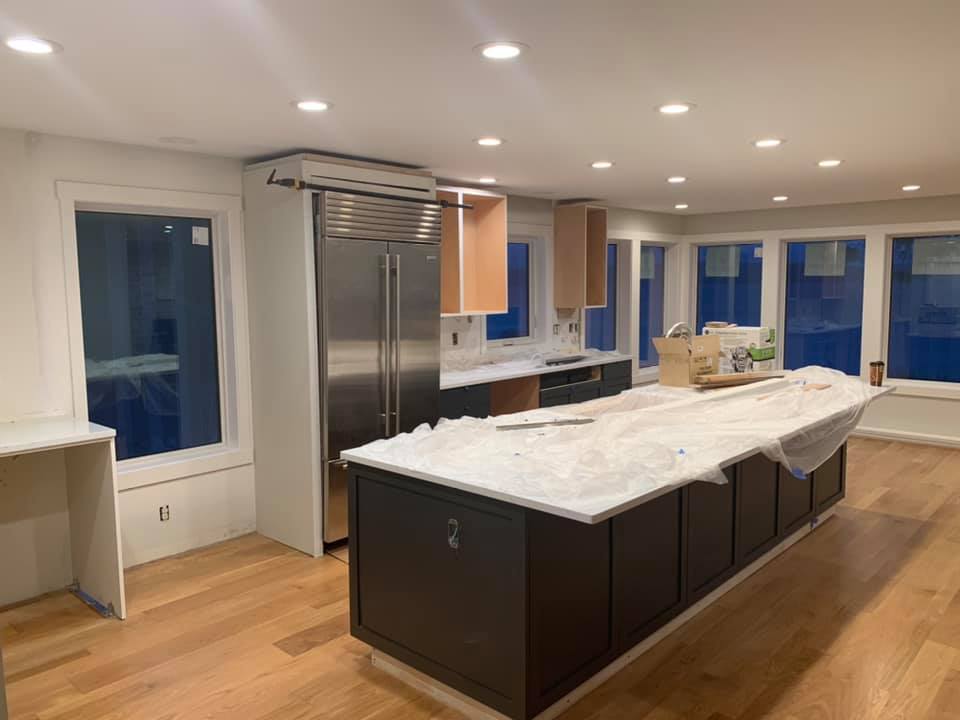
Your kitchen is more than a cooking space—it’s the heart of your home. Remodeling your kitchen can breathe new life into your living space. It allows you to address issues such as outdated designs, lack of storage, or inefficient layouts. A remodeled kitchen also improves daily convenience, making meal preparation and family gatherings more enjoyable. Beyond aesthetics, a well-executed kitchen remodeling project can also enhance the overall value of your home.
Key Elements of Kitchen Remodeling
To achieve a successful kitchen remodel, it’s important to focus on several key components:
1. Layout and Functionality
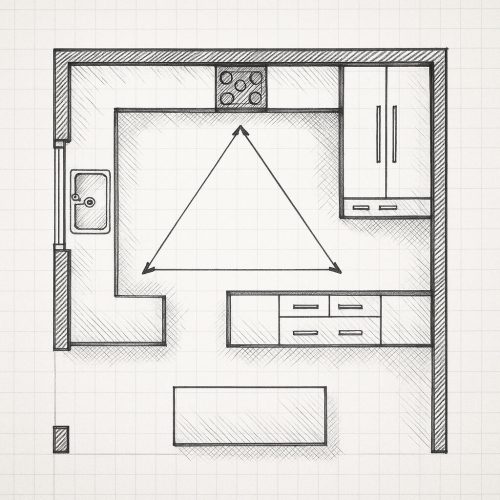
The layout is the backbone of your kitchen. Whether you prefer a galley, L-shape, U-shape, or open-concept design, your layout should prioritize efficiency. The “work triangle” concept—placing the stove, sink, and refrigerator within close proximity—is a timeless principle for functional kitchens. Additionally, consider how traffic flows in the space, ensuring it’s comfortable for multiple people to use simultaneously.
2. Storage Solutions

Storage is a crucial factor in kitchen remodeling. From deep drawers for pots and pans to pull-out shelves and custom cabinetry, the right storage solutions maximize the use of space. If you’re working with a smaller kitchen, vertical storage and innovative organizers can help you make the most of every inch.
3. Lighting

4. Materials and Finishes
The materials you choose define the personality of your kitchen. Cabinets, countertops, backsplashes, and flooring should complement your overall design style. Sleek finishes like stainless steel and quartz work well in modern kitchens, while natural wood and stone lend warmth to traditional spaces. Durable, easy-to-clean materials are always a wise investment.
5. Appliances and Features
Incorporating energy-efficient appliances and modern features into your kitchen remodel can improve functionality and reduce energy consumption. From smart refrigerators to touchless faucets, today’s innovations make kitchens more convenient than ever. However, the design should seamlessly integrate these appliances to maintain a cohesive look.
Design Trends in Kitchen Remodeling
- Open-Concept Spaces: Removing walls to merge the kitchen with living or dining areas creates an airy, inclusive atmosphere.
- Two-Tone Cabinetry: Combining two colors for upper and lower cabinets adds depth and interest to your kitchen design.
- Natural Elements: Organic materials like wood, stone, and textured finishes bring warmth and authenticity to kitchens.
- Smart Kitchens: Technology integration, such as voice-controlled appliances and energy-efficient lighting, enhances usability.
- Minimalist Design: Clean lines, neutral palettes, and clutter-free spaces are favored for a modern, streamlined appearance.
Common Challenges in Kitchen Remodeling
- Space Constraints: Small kitchens require creative solutions to optimize space.
- Style Consistency: Balancing your kitchen’s design with the rest of your home is key to achieving a cohesive look.
- Decision Overload: With countless options for materials and finishes, it’s easy to feel overwhelmed. Working with a professional designer can simplify the process.
- Construction Disruption: Remodeling can disrupt daily routines. Planning temporary kitchen setups can help you manage this inconvenience.