In Bremerton, water intrusion around windows doesn’t usually happen because of the glass itself. It begins in the small transitions — where trim meets siding, where flashing meets housewrap, where sealant slowly pulls away from a corner joint.
Because of our long wet seasons and wind-driven coastal rain, even minor gaps can become consistent moisture pathways. And once water slips behind cladding, it rarely dries quickly in Kitsap County’s damp climate.
Understanding how water intrusion starts helps you stop it before hidden rot and mold develop inside the wall cavity.
Why Windows Are a High-Risk Area in Bremerton Homes
Windows interrupt the siding system. That means they rely on proper flashing, slope, and seal integration to shed water effectively.
In Bremerton, strong onshore winds push rain sideways — not just downward. When that rain hits window edges and trim at pressure, it seeks the smallest openings.
If flashing is missing, improperly lapped, or poorly integrated with the weather barrier, water bypasses the exterior surface and enters the wall assembly.
Where Water Actually Gets In
Most intrusion begins at one of three locations:
At the window head, where improper flashing or missing drip edges allow water to track behind siding.
At the sill, where flat or poorly sloped pans permit water pooling instead of drainage.
Along the trim joints, where aging caulk creates capillary gaps that wick moisture inward.
These failures don’t always create immediate interior leaks. Often, water moves quietly into sheathing and framing first.
The Role of Flashing Integration
Flashing should function like layered shingles — each upper layer overlapping the one below to direct water outward.
When housewrap is reverse-lapped over flashing instead of under it, water is directed into the wall instead of away from it. This is one of the most common installation mistakes in wet climates.
Flexible flashing tapes can also fail when installed over damp or dusty surfaces. Adhesive breakdown leaves gaps that allow wind-driven rain to penetrate.
In Bremerton’s marine environment, UV exposure and cold temperatures further stress adhesive membranes, shortening their effective lifespan if improperly installed.
How Trim and Caulk Become Moisture Pathways
Exterior trim and sealants take constant exposure to:
- Rain impact
- UV radiation
- Temperature swings
- Expansion and contraction
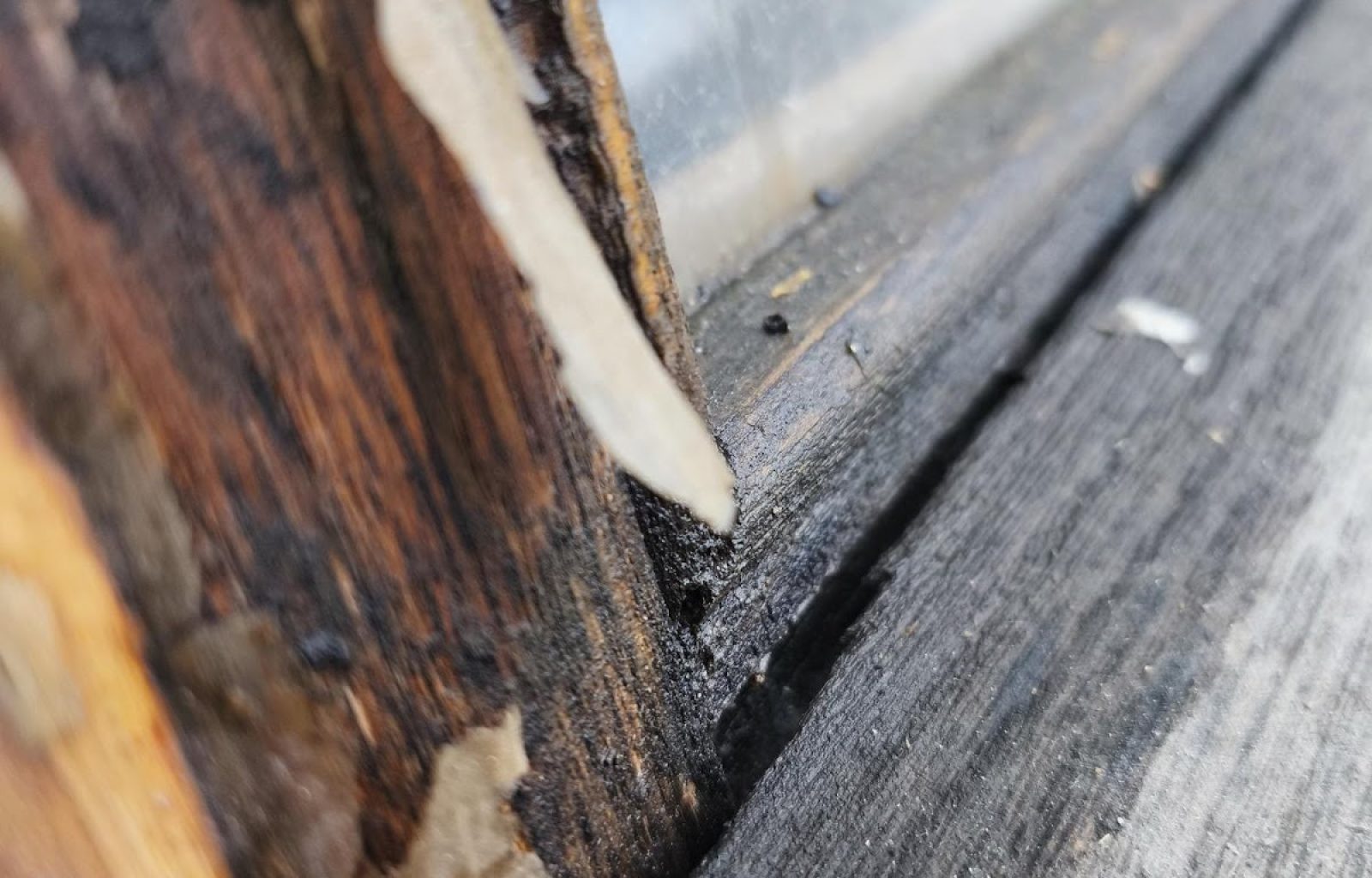
Over time, caulking shrinks and pulls away from joints. Small hairline cracks appear at corners and horizontal seams.
Water doesn’t need a large opening. Through capillary action, it travels into narrow gaps and remains trapped behind siding and trim.
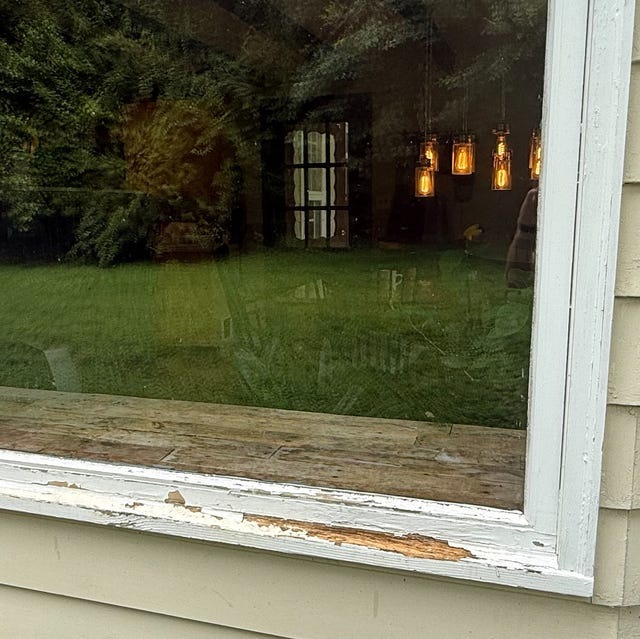
Paint failure often follows — bubbling, blistering, and discoloration are early warnings that moisture has reached the substrate beneath.
Drainage Problems That Worsen Window Leaks
Water intrusion around windows often connects to broader drainage issues.
Clogged gutters can overflow and pour directly over window heads. Improper roof-to-wall transitions allow runoff to cascade down siding seams. Downspouts that discharge too close to exterior walls increase saturation levels.
When water repeatedly contacts window assemblies without proper flashing protection, pressure-driven infiltration becomes more likely.
Hydrostatic pressure from pooled water near sills can even force moisture into seams that would otherwise resist light rainfall.
Structural Movement and Seal Failure
Over time, homes settle slightly. Even minimal structural movement can stress window frames and compress sealant lines unevenly.
As frames shift, micro-cracks form in caulking. Gaps widen at the corners. Sashes may begin to bind or stick.
These changes often allow moisture intrusion during heavy storms, especially when wind pushes rain directly into frame joints.
In Bremerton’s climate, repeated wetting cycles amplify this vulnerability.
Early Signs You Shouldn’t Ignore
Water intrusion around windows often reveals itself gradually.
Inside the home, you might notice faint drywall staining beneath a window. Paint may peel or bubble near trim. A musty odor may linger along an exterior wall.
Outside, trim may appear slightly warped. Caulk lines may separate. You may notice dark streaks or minor softening of sill boards.
These are not cosmetic defects — they are indicators that water has breached the exterior envelope.
Catching the issue early can limit repairs to flashing correction and localized sheathing replacement.
Waiting too long can mean removing siding, replacing framing, and addressing mold contamination.
Why Bremerton Homes Are Especially Vulnerable
The Pacific Northwest’s precipitation patterns create prolonged damp exposure.
Unlike drier regions where assemblies can dry between storms, Bremerton homes experience sustained moisture. Once water enters behind trim, it may remain there long enough to:
- Soften sheathing
- Compromise framing
- Reduce insulation performance
- Encourage mold growth
Salt exposure near coastal areas also accelerates corrosion of fasteners and flashing, further increasing long-term vulnerability.
Preventing Water Intrusion at Windows
Long-term protection depends on proper detailing:
Correct shingle-style flashing integration.
Sloped sill pans with back dams to prevent inward flow.
Corrosion-resistant fasteners.
High-quality sealants compatible with siding materials.
Routine inspection of caulk lines and trim joints.
Proper gutter and roof runoff management.
Water management — not surface sealing alone — is what protects window assemblies in wet climates.
Final Thoughts: Stop Water Before It Spreads
Water intrusion around windows and trim in Bremerton doesn’t begin with catastrophic failure. It begins with small gaps, aging sealants, and improperly integrated flashing — issues that are often easy to correct when identified early.
Left unaddressed, however, these minor openings allow moisture to damage sheathing, framing, and insulation behind the wall, leading to costly structural repairs.
At Joyce Construction, we inspect and correct window flashing and exterior moisture issues with Bremerton’s climate in mind. As a licensed and insured general contractor serving Kitsap County, we focus on proper integration, durable materials, and long-term protection — not temporary surface fixes.
If you’re seeing signs of moisture around your windows or trim, an early professional evaluation can protect your home’s structure and prevent larger repairs down the road.